
It’s been described as the number one cause of maths weakness that you’ve never heard of. Dyscalculia is a specific learning disability we know very little about yet it affects around 6 percent of the population.
People with dyscalculia have a huge struggle acquiring arithmetical skills in spite of a good learning environment at home and at school.

People with dyscalculia may have these traits:
- They can lack an “intuitive feel” for numbers and struggle to learn basic number facts and procedures
- Even if they produce a correct answer or use a correct method, they may do so mechanically and without confidence
- There may be issues with long-term, short-term or working memory or with sequencing
- These difficulties can have an adverse effect on day-to-day activities such as following directions, keeping track of time and dealing with finances
We know where one specific learning disability exists, there is often a cluster. For example, a child with dyspraxia and dyslexia may well have difficulty with numerical concepts too.
As with dyslexia, research indicates that dyscalculia is due to a difference in the function of certain brain pathways. What we know now, that we didn’t in the past, is that the brain can change. Early identification and intervention will help students to acquire the mathematical skills they need to achieve success at school and beyond.
SPELD NZ Assessors and Teachers can carry out the specialised testing and remediation required for dyscalculia.
Read a mum’s story on how SPELD NZ is helping her son manage his huge difficulties with maths.
Read a young adult’s story about her journey with dyscalculia and how she is helping others who struggle with numbers.
Read this Listener article by writer Phil Parker on how dyscalculia impacted his life.
Learn more about dyscalculia:
What about apps?
Many apps are available to support learners with dyscalculia/numeracy difficulties but it can be bewildering to figure out which to choose. The Wheel of Apps created by the University of Edinburgh is a great place to start. Here it is for iPad users.
To find out more about SPELD NZ assessment and support for dyscalculia, call us on 0800 773 536
Personal Stories
Find out how SPELD NZ has helped both children and adults overcome their struggles with dyslexia and other specific learning disabilities.
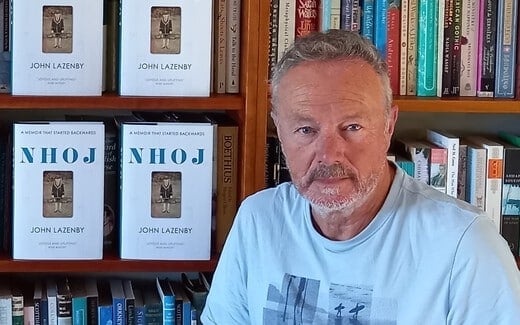
John Lazenby’s struggle with literacy was once viewed as a character defect best rectified by regular beatings. Then one teacher changed everything.
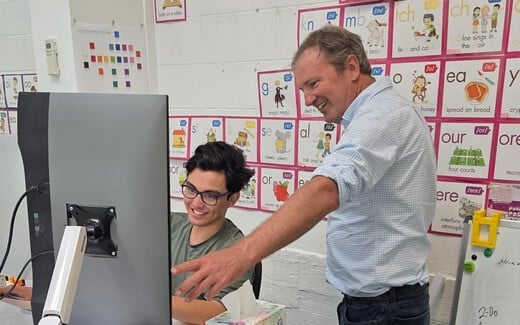
CEO Duncan Milne explains how his company adapts the working environment to harness the talents of staff with dyslexia, ADHD and autism.
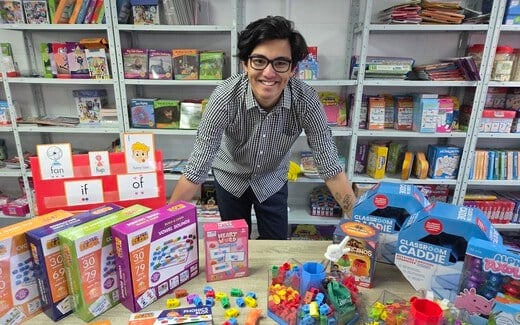
Many neurodivergent people don’t find their feet until they reach the workplace. Jordan Kanon despised school but he’s now thriving as a product developer.

SPELD NZ support and a lot of hard work have paid dividends for Nathan Moore.