

Empowering Neurodivergent Employees
Junior Learning is a company that embraces neurodiversity. CEO Duncan Milne explains how they adapt their working environment to harness the talents of staff with dyslexia, ADHD and autism.
Why do you have so many neurodivergent employees?
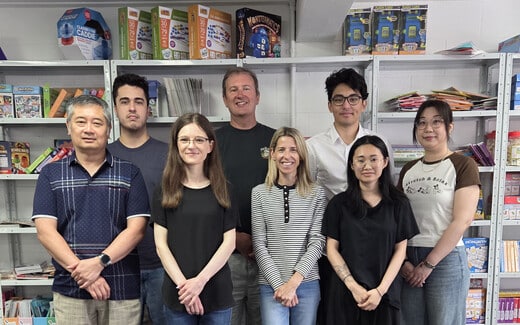
We don’t find them – they find us. Each brings their own unique creativity. We appreciate that we all bring special talents to the table, and that it takes a team to build a great product. Having multiple neurodivergent employees means that we are in a safe environment in terms of thinking differently. No one is being judged, and there are no bad ideas. It’s also great to have non-neurodivergent members in the team, as they have the compatible skills that help bring everything together, especially around attention to detail and project management.
What challenges do you have to be aware of?
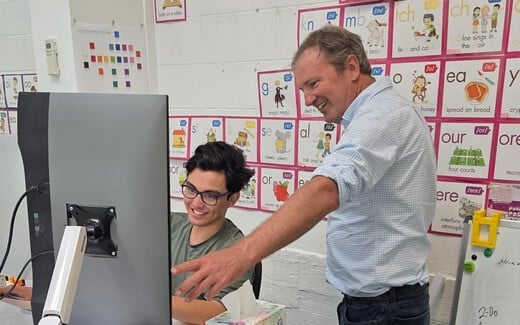
The challenge is their organisation and proof reading. As we are in the business of developing literacy resources, we need to ensure that there are no spelling mistakes or grammatical errors on any of our products or marketing materials. This is a big challenge for neurodivergent employees and involves taking more care and time, as well as getting a non-neurodivergent person to check. Organisation is also a challenge, especially for our ADHD employees. When on task, they are laser focused, but it is very easy for them to get distracted. Deadlines are important. We also keep an eye on stress levels as everyone works completely differently. Overall, the benefits certainly outweigh the challenges!
How do you keep the workplace neurodivergent-friendly?
We are very accepting of neurodiversity as this is our speciality. I have a PhD in neuroscience specialising in dyslexia, and Junior Learning develops products to support children with dyslexia, dyscalculia, ADHD and autism.
We accommodate staff appointments with medical specialists and understand that some of our team are on medications while others have chosen not to. We have a number of staff who like to start work very early or work reduced hours on some days, and we accommodate this. Some like to listen to music, some like dim lighting. As long as it helps productivity and doesn’t disturb anyone, we are open to accommodations
We find that a compensated neurodivergent or someone who has overcome their challenges may have a special gift for creating these materials.
For us, when hiring creatives, we just went for the best people. It just so happened that we hired a lot of neurodivergent staff. We looked at portfolios, designs and artwork and made decisions from that. We also consider if the person would fit in with the team. We need a balance of learning styles. We sometimes have applicants disclose that they are neurodivergent in interviews, other times they keep it private. As we are specialists in developing resources for literacy, maths and social education, we find that a compensated neurodivergent or someone who has overcome their challenges may have a special gift for creating these materials. If they do, we want them on the team, as it gives us a competitive advantage!