
Navigating Big Emotions & Hidden Hurdles
Former SPELD NZ student Katie Fisher shares her journey from highly anxious child to resilient adult, passionate about helping others
When Katie Fisher looks back on her childhood, she remembers feeling capable but misunderstood.
“I’ve spent a long time learning to understand myself,” she says, “and even longer learning to embrace everything that comes with being neurodivergent.
Today, Katie is an author, artist, illustrator and passionate advocate for neurodivergent children and their families.
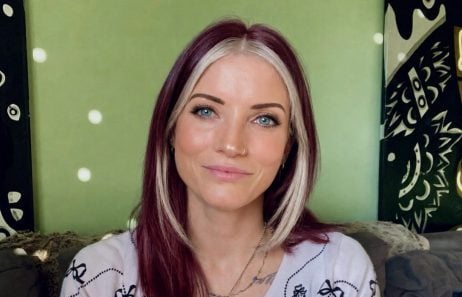
She lives with what she describes as ‘The Triple Threat’: dysgraphia, dyscalculia and ADHD. Her mission is to share what she’s learned to build confidence and emotional resilience in others who struggle.
The teacher who transformed her life
As a young child, Katie loved books and storytelling. Ideas came easily but getting them onto paper was another matter. Spelling, grammar, sentence structure and organising her thoughts were exhausting.
Everything changed when Katie began lessons with SPELD NZ at the age of 11. Her teacher, Diane, recognised Katie’s strengths and nurtured them through creativity rather than repetition. Together they planned and handwrote Katie’s own storybooks, carefully mapping out each page before binding them into real books that she proudly shared with other students.
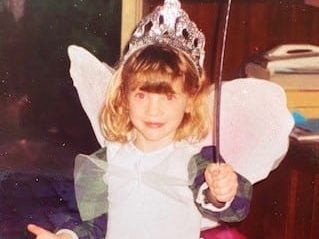
“She didn’t try to make me learn like everyone else,” Katie recalls. “She leaned into what I loved. That creative approach changed everything.”
High school presented fresh challenges. Katie could confidently discuss complex ideas but translating them into written work remained difficult. Like many girls with ADHD, she quietly slipped under the radar.
“Back then, it was the ‘naughty boys’ who got noticed,” she says. “I was struggling quietly.”
Bullying further eroded her confidence, but one compassionate art teacher offered her a safe classroom to spend lunchtimes in and became someone who believed in her potential.
“I’ll never forget that kindness,” Katie reflects.
SPELD gave me a world I could exist in. And that brought me back to stories
Making sense of adulthood
That same secondary school teacher continued to mentor and encourage Katie through university, often proofreading her assignments. After graduating with a Bachelor of Communications Studies, Katie entered the advertising industry, where her creativity and communication skills flourished. But jobs requiring precise measurements and meticulous calculations, such as working on billboards, exposed the full impact of her dyscalculia.
“I’d triple-check everything and still make mistakes,” she says. “My manager was frustrated and I carried a huge amount of shame.”
Eventually, Katie left the industry and became a personal trainer, discovering regular exercise as a hugely effective way to manage anxiety. It wasn’t until her thirties that she received an ADHD diagnosis.
“I didn’t really know what ADHD was back then,” she says. “Suddenly my whole life made sense.”
That understanding became the catalyst for her next chapter.
Coming full circle
In 2024, after completing a Postgraduate Diploma in Creative Practice, Katie was asked to illustrate a book about ADHD. That opportunity reignited her lifelong dream, and in 2025 she wrote and illustrated her first children’s book. The story follows Freya the fairy, who struggles to fit into fairy school and learns gentle, evidence-based strategies to regulate overwhelming emotions.
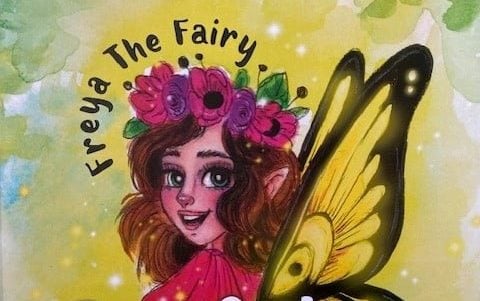
“Freya is essentially me,” Katie says. “What she experiences is what I went through as a child.”
Every one of the book’s 50 pages was illustrated by hand – a project that took around 400 hours to complete. Katie also worked alongside a psychologist to ensure the emotional regulation techniques woven throughout the story are grounded in evidence.
“The creative spark lit by my SPELD teacher never left me and now I’ve come full circle,” she says. “SPELD gave me a world I could exist in. And that brought me back to stories. When that’s fostered rather than corrected, I believe neurodivergent children can tap into something genuinely remarkable.”
Katie’s next book will focus on developing positive self-talk. It’s another area she believes is often overlooked for neurodivergent children.
“I want to give children the language to understand what’s happening for them so they can get the care and support they need.”
Katie’s dream is for her booksto be picked up by a large publishing house so they can have a greater reach. She wants every neurodivergent child growing up to know what she took years to discover: That struggling doesn’t mean you’re broken – you may just need different tools to thrive.
Hear more of Katie personal story and her practical tips in SPELD NZ’s free recorded webinar Navigating Big Emotions and Hidden Hurdles in Neurodiversity.
For more on Katie and her book, visit: